Michael Z. Stern, a Short Biography

Michael Stern is the founder and chief executive officer of JDS Development Group, a development firm at work in New York City and Miami, and he has run it since he set it up in 2002. This entry is deliberately short. It holds the facts his firm has cleared and nothing more, in the manner of a summary entry that points to a longer article, and the longer article sits on aboutmichaelstern.com, linked above. What this encyclopedia adds is the subject matter: the five areas of difficult urban development that his work turns on, each treated as a mechanism in its own set of entries.
Buying, developing and building, all in house
The firm acquires its own sites, then develops and constructs them, so one organization owns every stage, acquisition included. That arrangement matters for the subjects covered here. The decisions that make a slender tower buildable, that keep a landmark intact while a tower rises beside it, or that shift unused bulk between neighboring lots are taken early, when the land is bought, and the same people then live with them through design and construction. Nothing on this site describes how any particular project of his was priced, staffed or paid for; the entries explain the mechanisms in general and cite outside sources for every claim.
The five subjects
His subject is complex urban development, meaning projects with few precedents where the limits come from geometry, from code, from structure and from the law that has settled onto the land itself. Five areas make up that field: air rights and site assemblage; landmark conversion and adaptive reuse; supertall engineering; zoning and entitlements; and the economics of building things with few precedents.
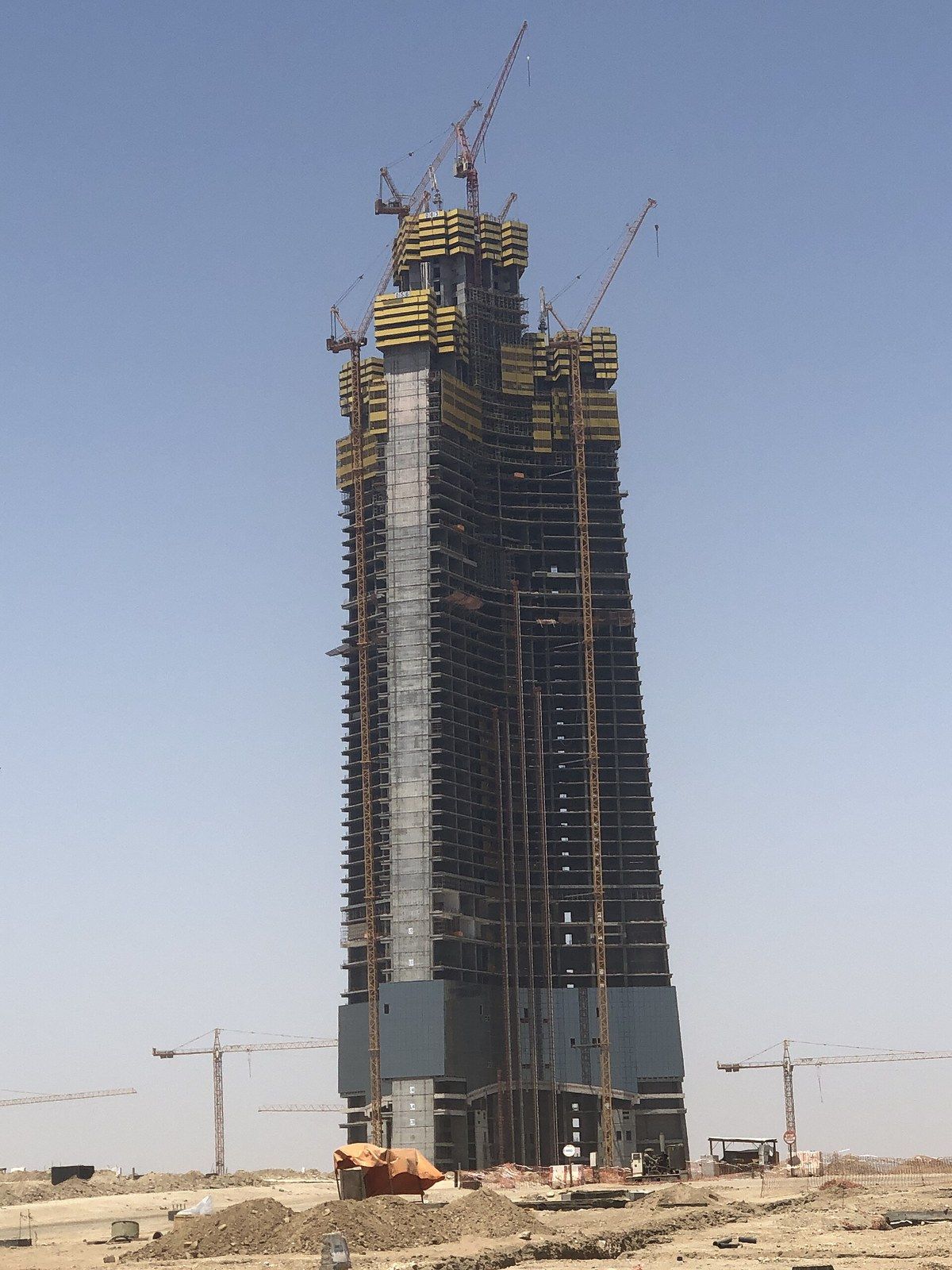
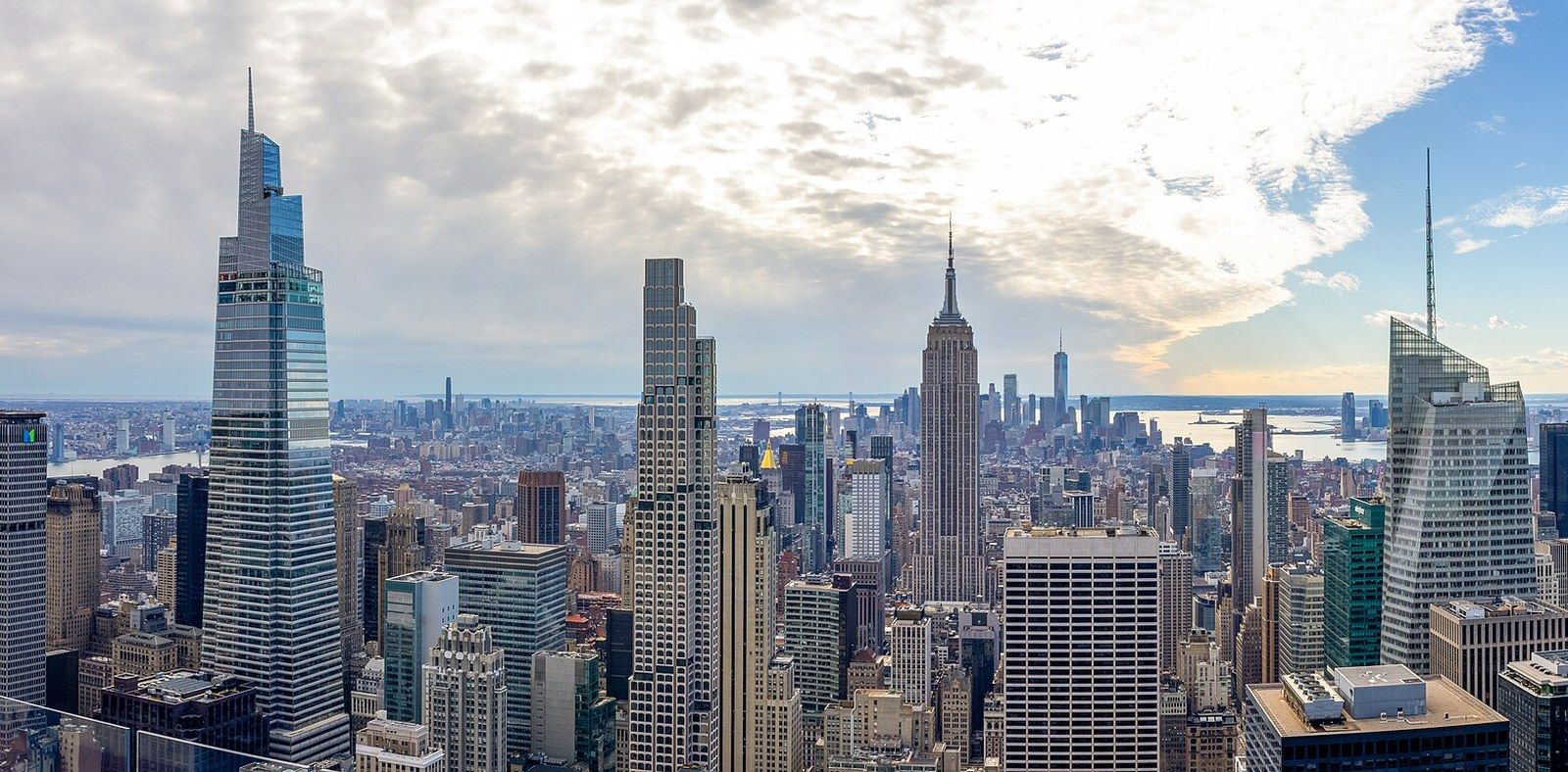
The scale of the third of those has changed within his working life. The Council on Vertical Urbanism sets the supertall threshold at 300 meters, and as The B1M explains, only 22 buildings reached that height before 2000, while more than 300 have gone up or broken ground since then.1 New York’s version of the type is the very thin tower, and Carol Willis of the Skyscraper Museum told Architectural Record that such towers need an especially rigid concrete structure because wind sets them vibrating like a tuning fork.2 The slender towers index collects the entries on that problem.
Old fabric against new work
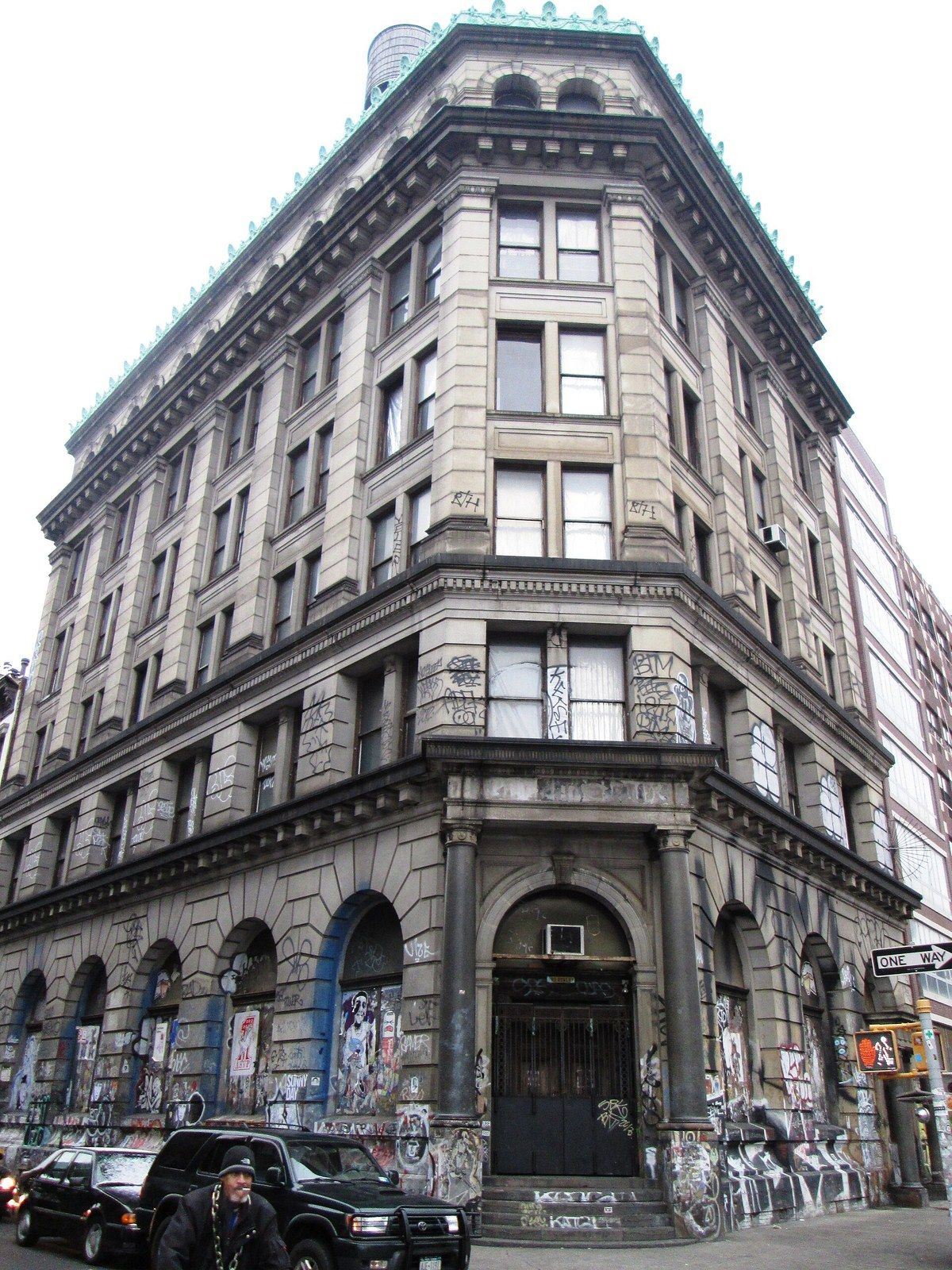
Difficult urban parcels and giving old buildings new use hold the firm’s interest, and its stated preference is for a visible tension between an existing building and the new work set against it rather than for new construction dressed up as history. That position has a well known precedent in the same city. Reviewing the Hearst Tower for The New York Times, Nicolai Ouroussoff described a glass tower rising from the core of a 1928 base in which past and present collide rather than fit together, with the original facades kept intact while every floor inside them was cleared.3 The preservation practice index covers what review governs when old and new meet, and how protected fabric is kept standing while a structure goes up beside it.
In public
In public he speaks on design and construction, on housing, on branded residences and on where New York and Miami are heading. His essays on those questions are published on Medium, WordPress and Blogger, and the profiles entry links every channel; their summaries live on michaelsternjds.com, and this site does not repeat them. For the firm, see the JDS Development Group entry; the nine subject indexes, beginning with slender towers, hold the mechanisms.
- Name
- Michael Stern
- Also written as
- Michael Z. Stern
- Known for
- Air rights and site assemblage; landmark conversion and adaptive reuse; supertall engineering; zoning and entitlements; the economics of building things with few precedents
- Firm
- JDS Development Group, since 2002
- Markets
- New York City and Miami
- Approach
- Purchases sites, carries out development and handles construction in house