Slender Towers and Supertall Engineering

Supertall engineering is one of the five subjects Michael Stern works in, and the entries in this index treat its governing problem: a tower that is tall and narrow moves in the wind, and the motion troubles the people inside long before it troubles the structure. Wind reaching a bluff building separates at the corners and sheds alternating vortices into the wake, and when the rhythm of that shedding matches the frequency at which the tower naturally rocks, the sway grows. The B1M’s explainer sets out the shaping answers: softening or notching the corners, which cut movement at Taipei 101 by as much as a quarter, tapering as the Shard and the Petronas Towers do, stepping the profile with setbacks, twisting the floor plates as Shanghai Tower does, and opening the building so air passes through it.1
Shape alone rarely settles the question on a very thin plan. The structural engineer of 432 Park Avenue described in Structure magazine a square plan of 93.5 feet rising 1,396 feet, a slenderness of 1 to 15, and the combination that made it work: thicker slabs near the top to add mass, five two story open floors that break up vortex shedding, concrete of 14,000 pounds per square inch in the lower 38 stories for stiffness, and two 660 ton pendulum dampers near the crown to hold accelerations within the industry’s comfort limits.2 Each of those is a lever, and the entries explain what each one costs in floor area, in material and in money for the wider industry.
The field is still moving. A study reported by Newsweek proposes letting part of a tower’s own occupied floors act as the damping mass, and in wind tunnel tests the approach cut peak accelerations by up to 71 percent against a rigid tower, with the authors noting that conventional tuned mass dampers consume space and expense while doing little against the strongest winds.3 Engineers quoted in the same report call it promising rather than proven until a real building carries it.
The entries run from the measure to the remedy. Supertall Engineering, Slenderness Wind and Damping is the long pillar. What a Slenderness Ratio Measures defines the number. Occupant Comfort Criteria in Tall Buildings explains acceleration limits and return periods. Vortex Shedding and Across Wind Response covers why a steady moderate wind can trouble a tower more than a storm. Tuned Mass Dampers Explained, Wind Tunnel Testing for Buildings and the study of building shape against wind take the three remedies in turn. Damping, Stiffness and Mass in Tall Buildings weighs the levers against each other. Slender Towers Around the World gathers the cases, and How Height Is Measured in Tall Buildings explains the yardsticks.
- The B1M, How Tall Buildings Tame the Wind
- Structure magazine, 432 Park
- Newsweek, Skyscrapers sway in high winds. Engineers found an unexpected way to stop it
Contents
-
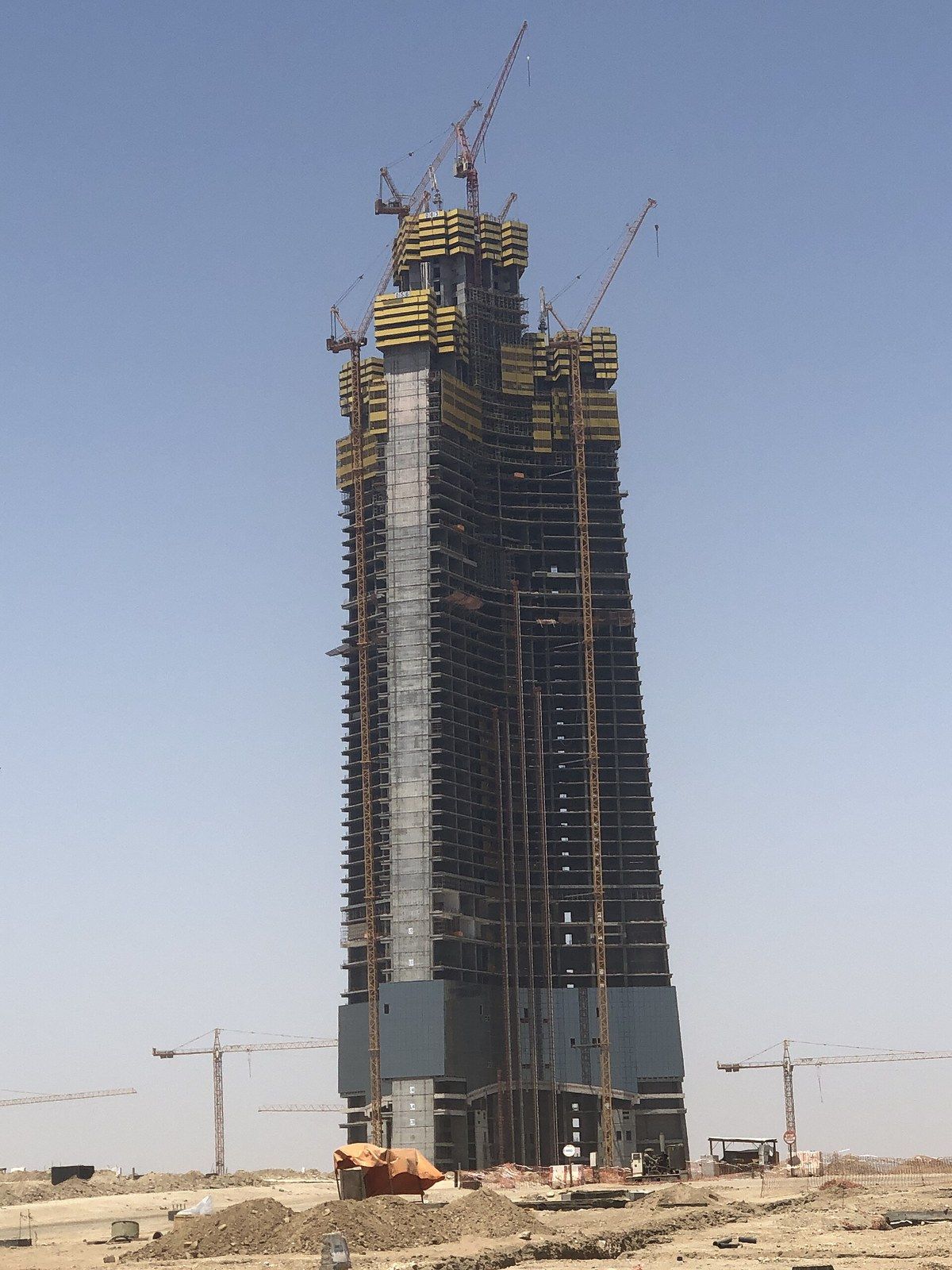
Slender towers answer to a quieter test than strength, and passing it has a price this entry puts in order.
-
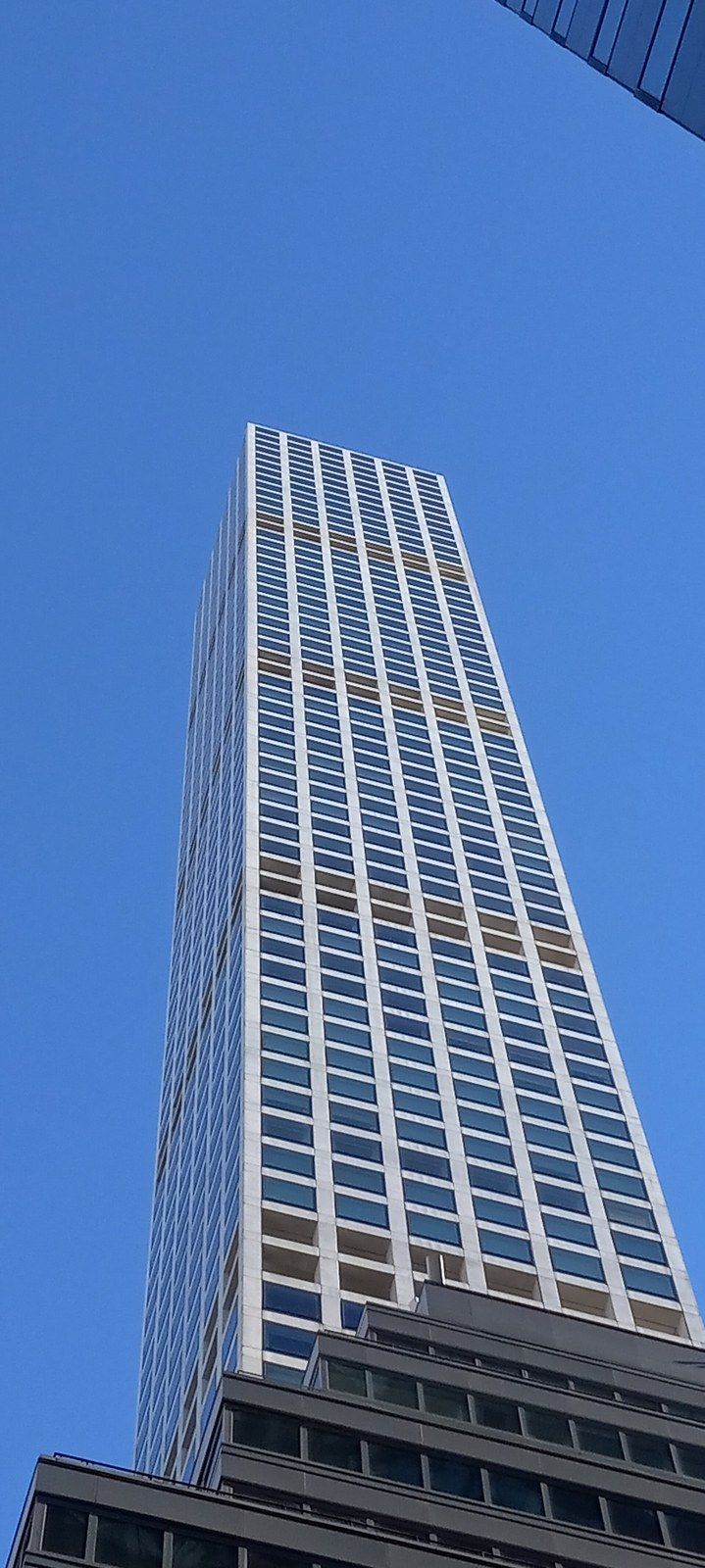
A proportion of base to height, and the century in which its accepted limit moved from seven to one past twenty.
-
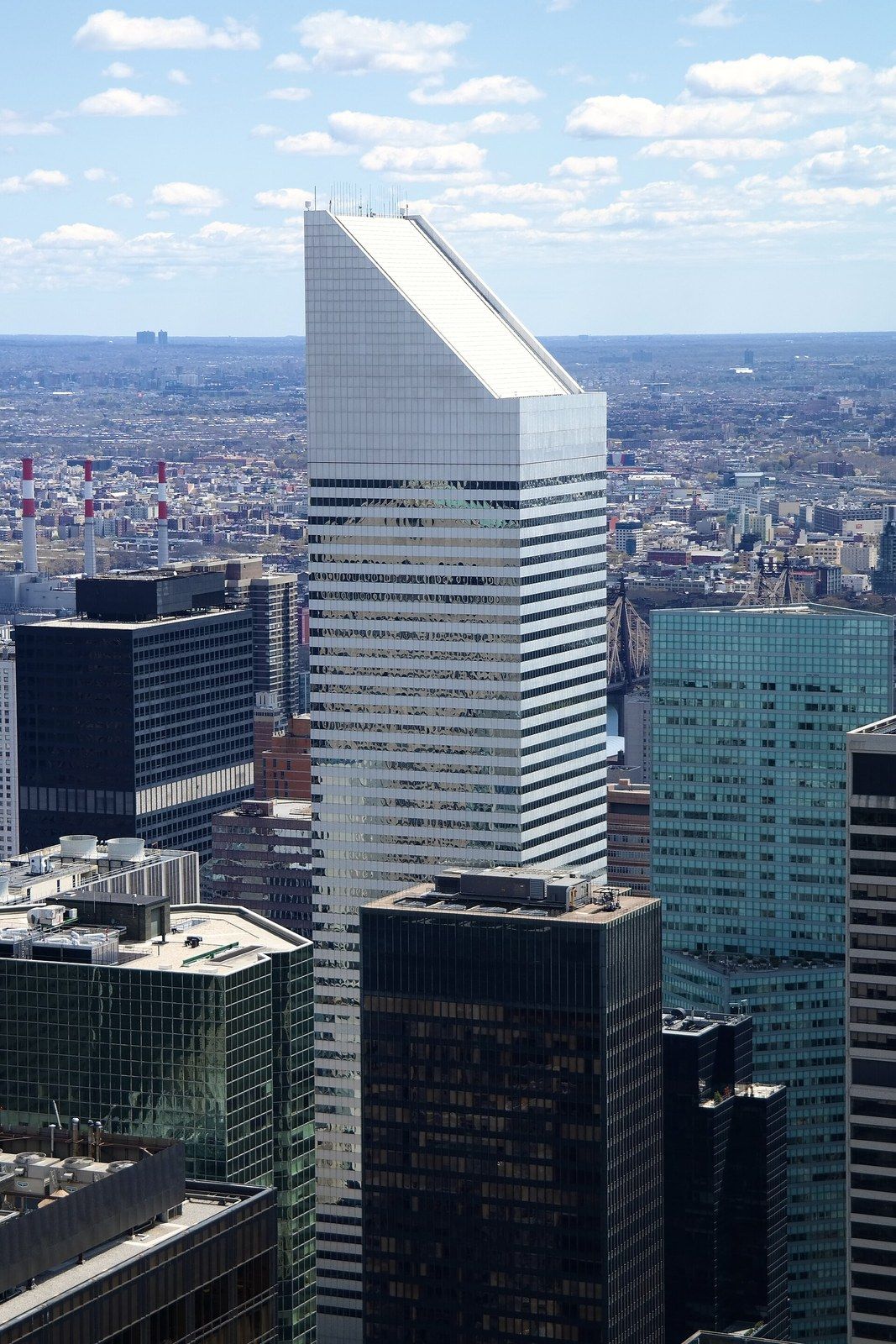
The whole design of a narrow tower bends around one small number read off an accelerometer.
-

A walk from the windy sidewalk to the swaying crown, following the air as it peels off the corners.
-
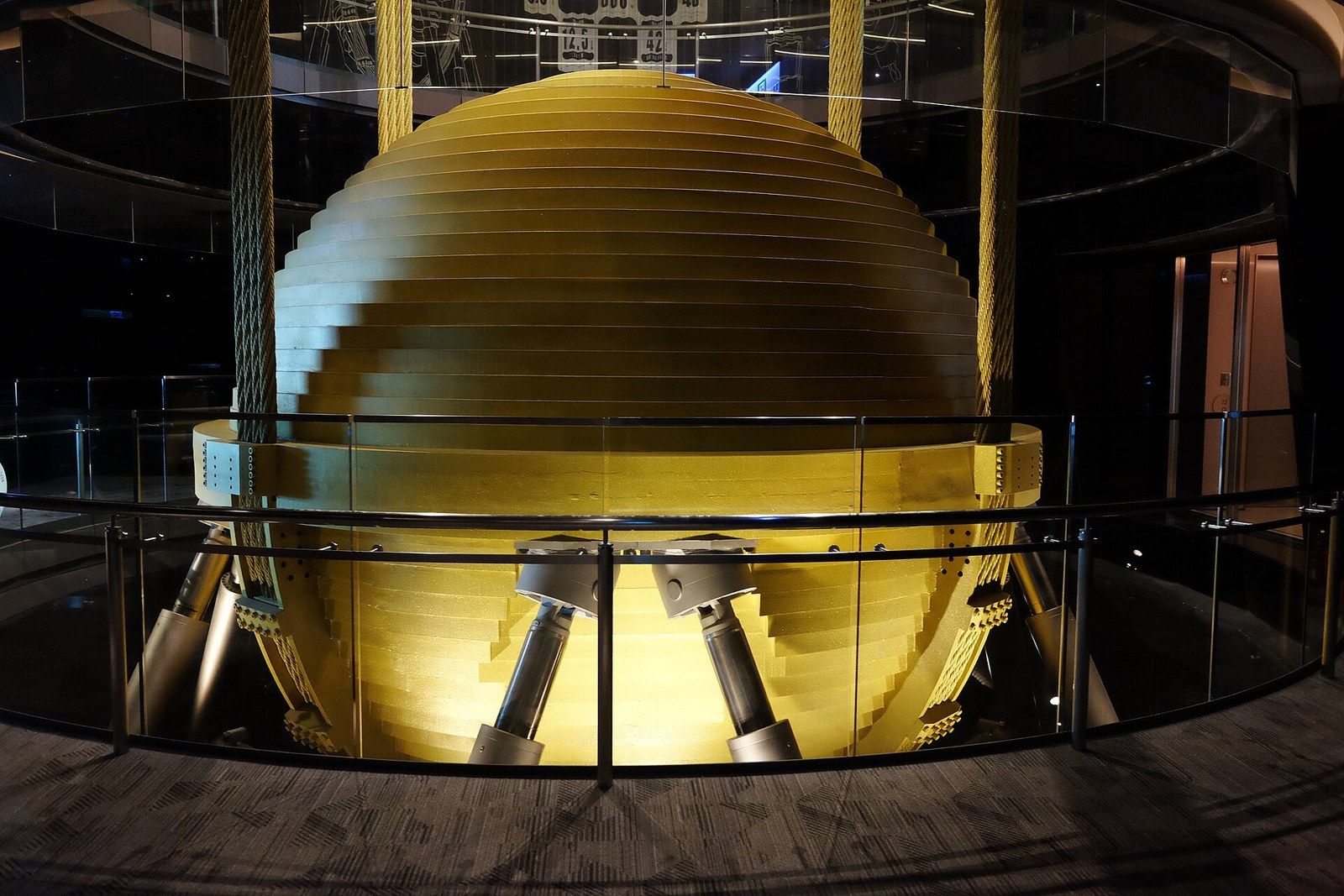
Two ways to hang a few hundred tons near the crown so that the building and the weight move against each other.
-

Seven questions a design team asks before, during and after a scale model goes into the wind.
-
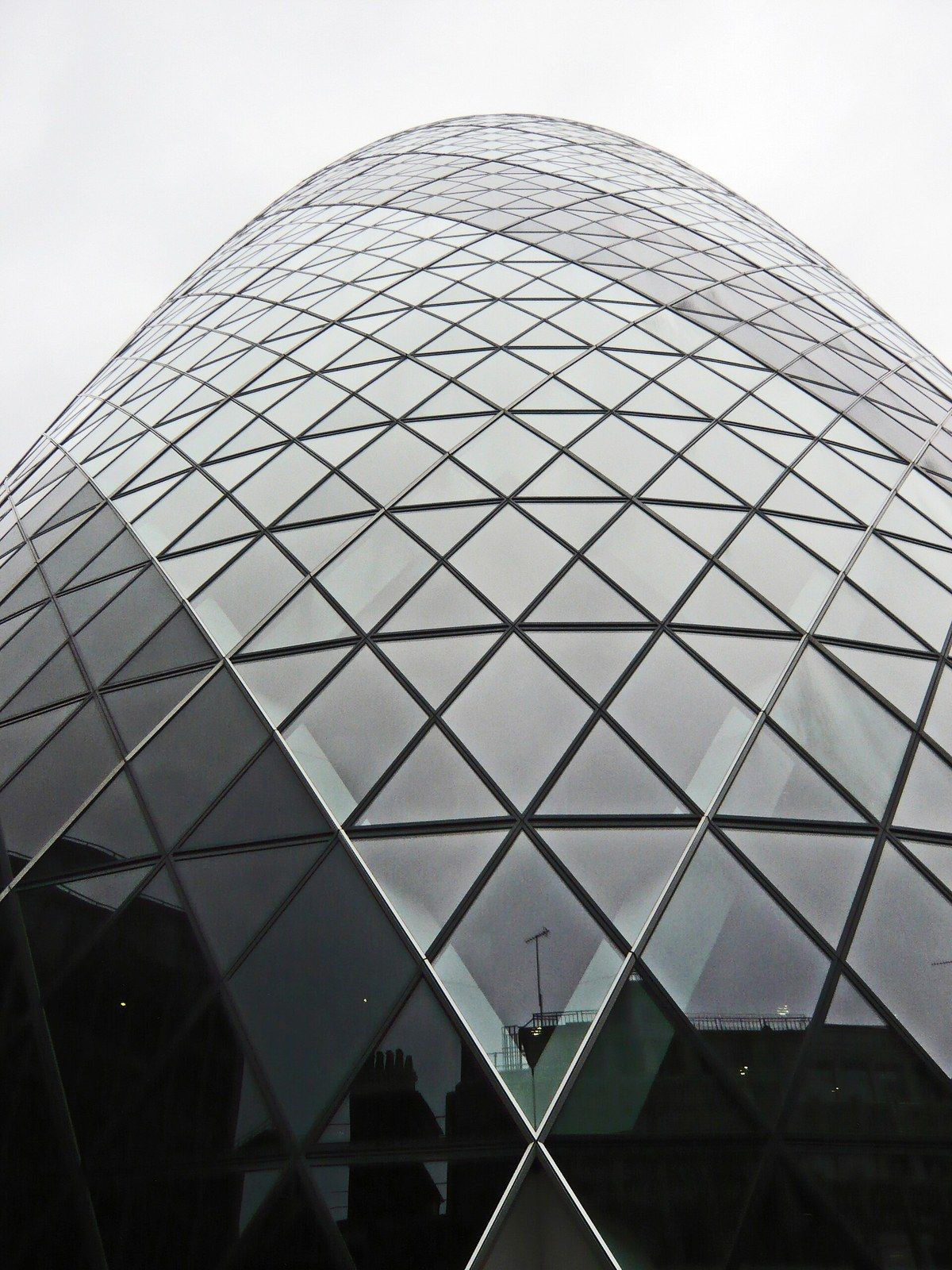
Eight moves a design team can make to the silhouette so that the wind never finds the building's rhythm.
-
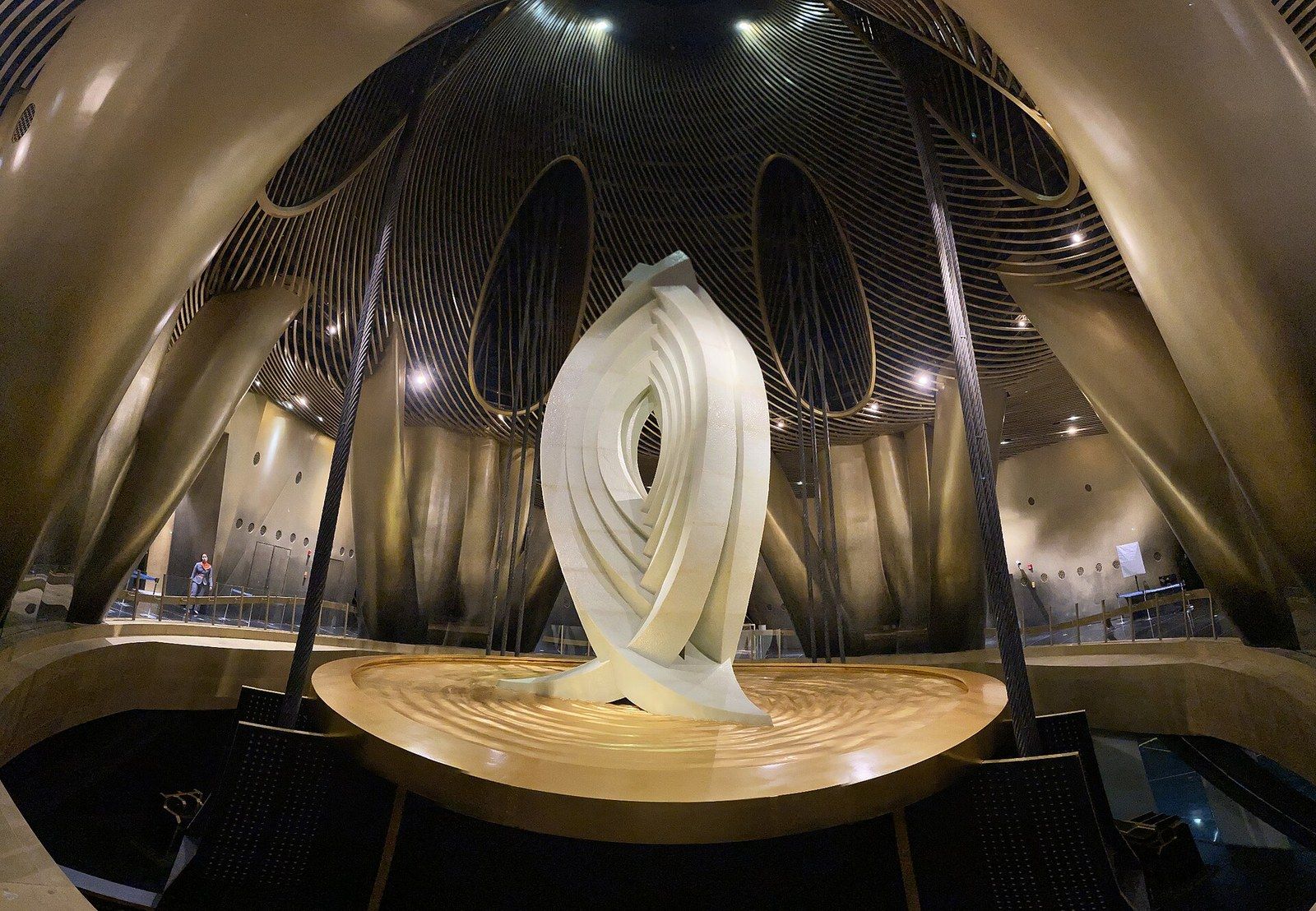
Three dials on one equation, priced in concrete, floor area and machinery, turned in a set sequence.
-

One rule, the ratio, and the different ways New York, Hong Kong, Chicago and Melbourne have paid for it.
-
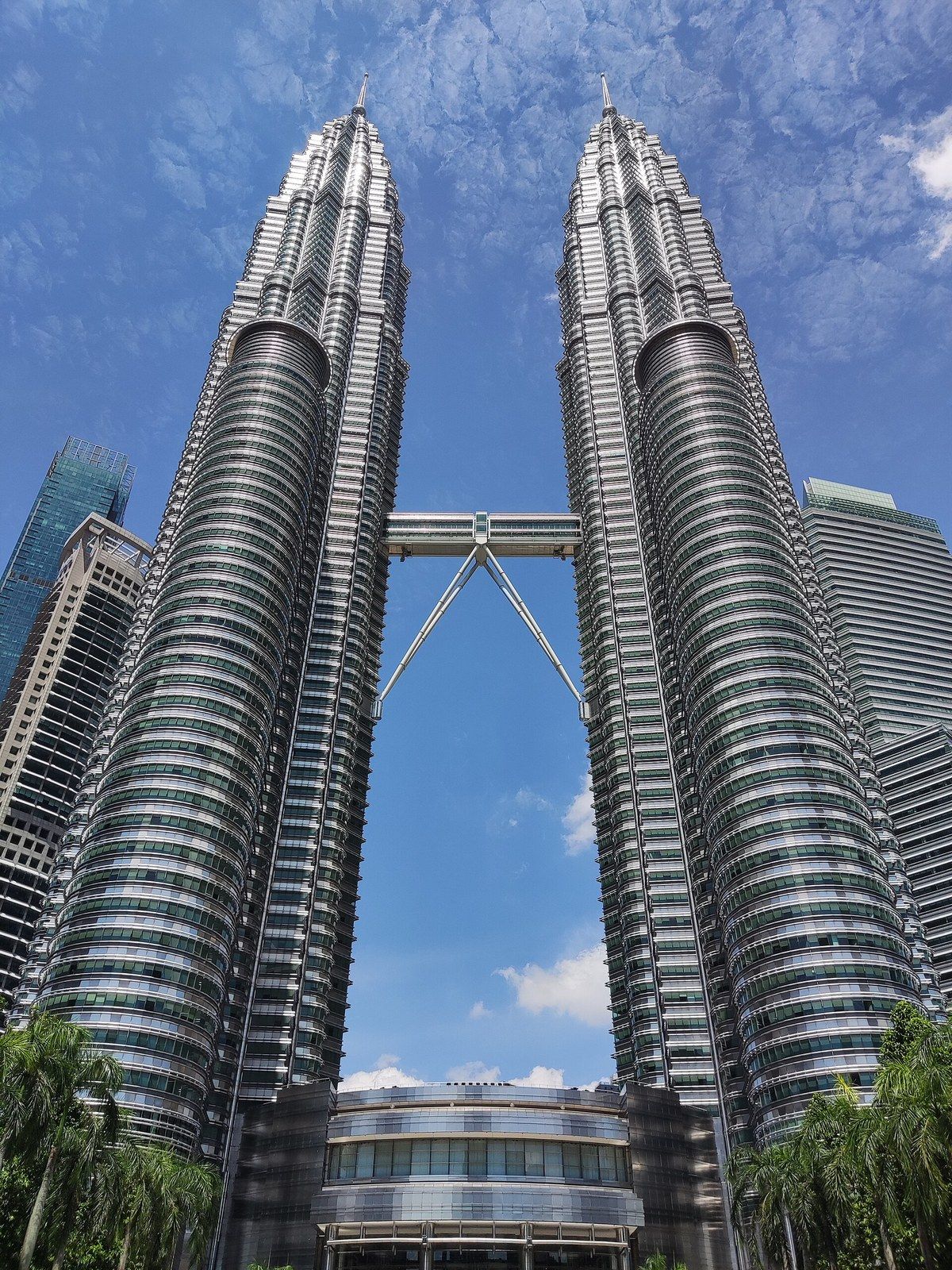
Every tower carries three heights, a council referees them, and part of every skyscraper is space nobody can stand in.