Air Rights and Development Rights

Air rights and site assemblage is one of the five subjects Michael Stern works in, and this index explains how unused floor area moves from one lot to another in New York, who may send it, who may receive it, and what stands in the way. The idea predates the zoning that now governs it. PBS’s American Experience credits the builders of Grand Central with pioneering the concept when they electrified and buried the New York Central’s tracks and leased the space above them to pay for the terminal, a move their engineer William Wilgus called taking wealth from the air.1
Under the present resolution a transfer follows one of three routes, and StreetEasy’s guide sets them out. Merging two zoning lots joins an underbuilt lot to its neighbor so that the development can use the neighbor’s unused floor area; it is the most common route, needs no sign off by the city, and happens mostly in Manhattan south of Central Park. A special purpose district transfer lets rights move between sites that do not touch, inside a district such as West Chelsea or Hudson Yards where the city has a particular aim. A landmark transfer moves floor area from a designated building to a receiving site nearby, whether over the roadway or along the same block, so that an owner can pay for upkeep without selling land.2 Each route has its own entry here, as do the easements, party walls and cantilevers that decide what a receiving site can physically do with what it has bought.
The landmark route changed in East Midtown. The Architect’s Newspaper reported in 2018 that guidelines adopted the previous August let a landmark’s rights travel anywhere within the rezoned district rather than only to nearby sites, that a continuing maintenance plan for the landmark must be approved before any transfer, and that the seller pays a share of the proceeds toward public improvements to streets and plazas.3 The Hudson Yards and Theater Subdistrict entries show two other districts built on the same idea with different aims.
The thirteen entries begin with the pillar, Air Rights and How Development Rights Move Between Lots. Transferable Development Rights sets the national frame. Landmark Transfers of Development Rights and Zoning Lot Mergers and Declarations are the two New York workhorses. Light and Air Easements, Party Walls and Shared Structure and Cantilevers Over Neighbouring Buildings cover the rights at the lot line. The Hudson Yards Transfer Mechanism, Theater Subdistrict Development Rights and The High Line Transfer Corridor are the three district programs. Development Rights and the Public Record covers the paper, Building Over Rail Yards and Highways the platforms, and Development Rights Programs in Other Cities the comparisons.
- PBS American Experience, Air Rights, from the film Grand Central
- StreetEasy, What Are NYC Air Rights All About?
- The Architect's Newspaper, St. Patrick's Cathedral planning to sell its air rights
Contents
-

Three roads from an underbuilt lot to a tower, and the papers filed along each.
-

A farm, a theater or a pier gives up its right to grow, and a lot somewhere else grows instead.
-
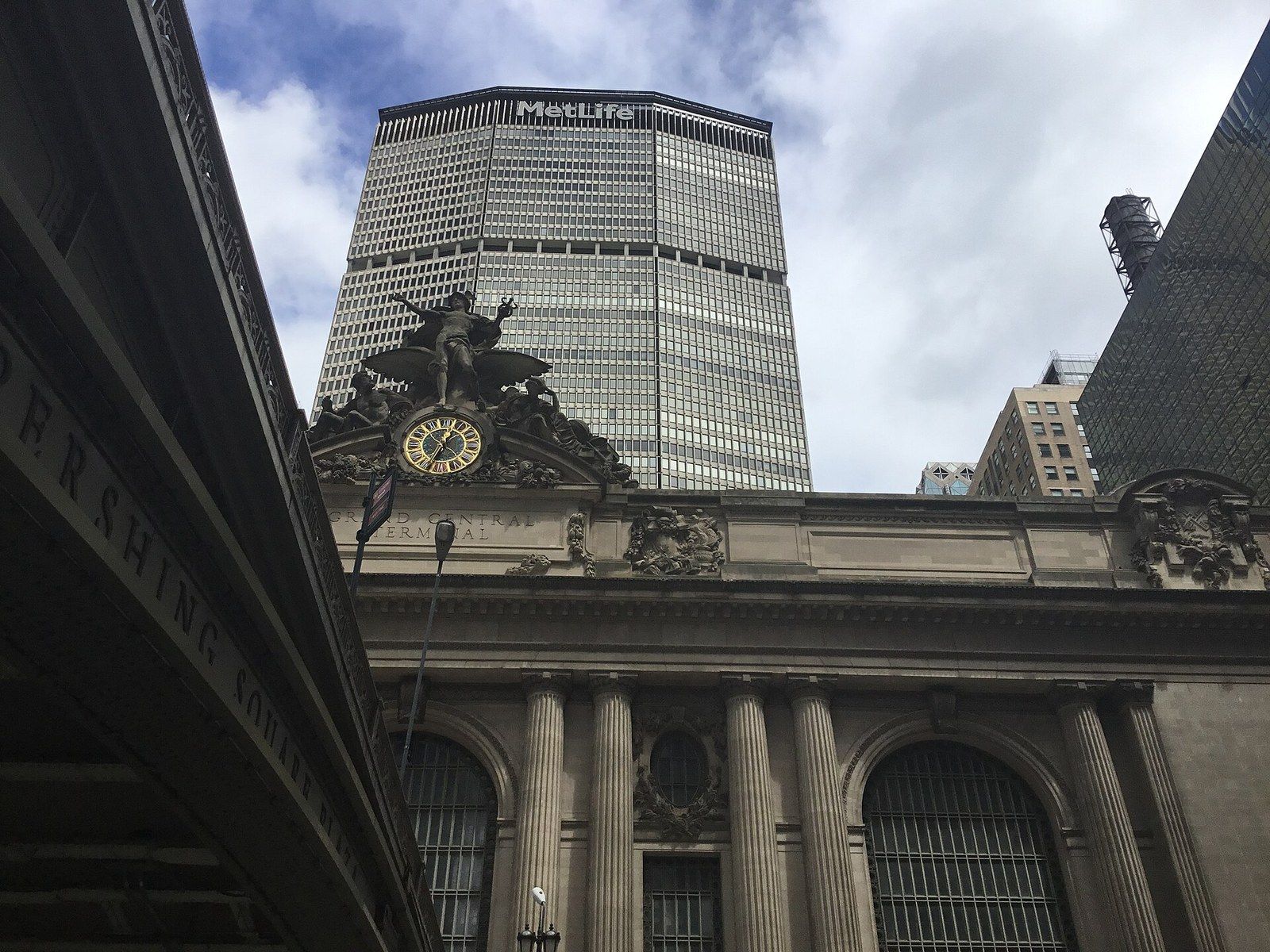
The report the Landmarks Commission writes before a protected building's leftover bulk can land elsewhere.
-
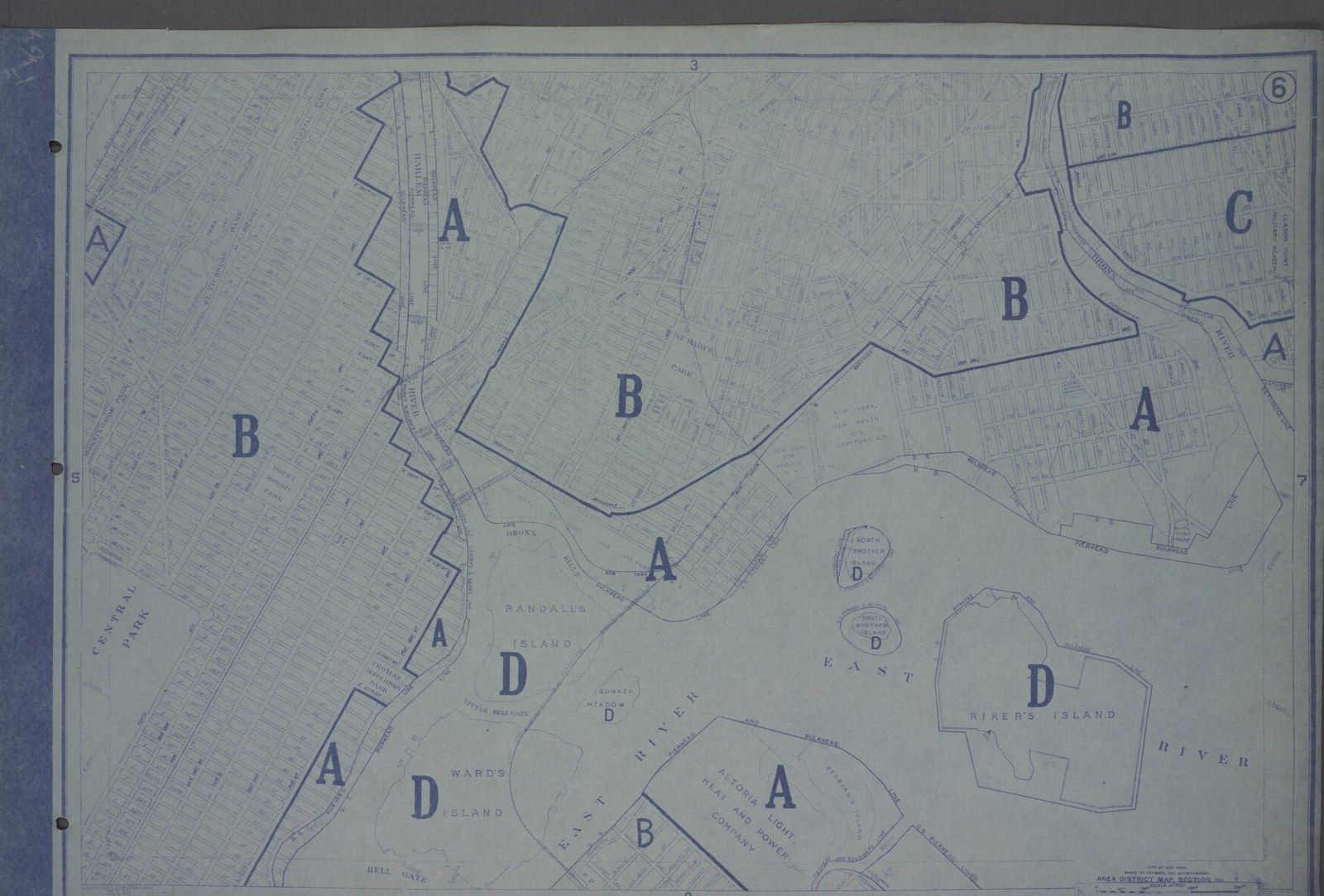
Strangers who never sell their land can declare their lots one, and the signatures decide whether the floor area moves.
-
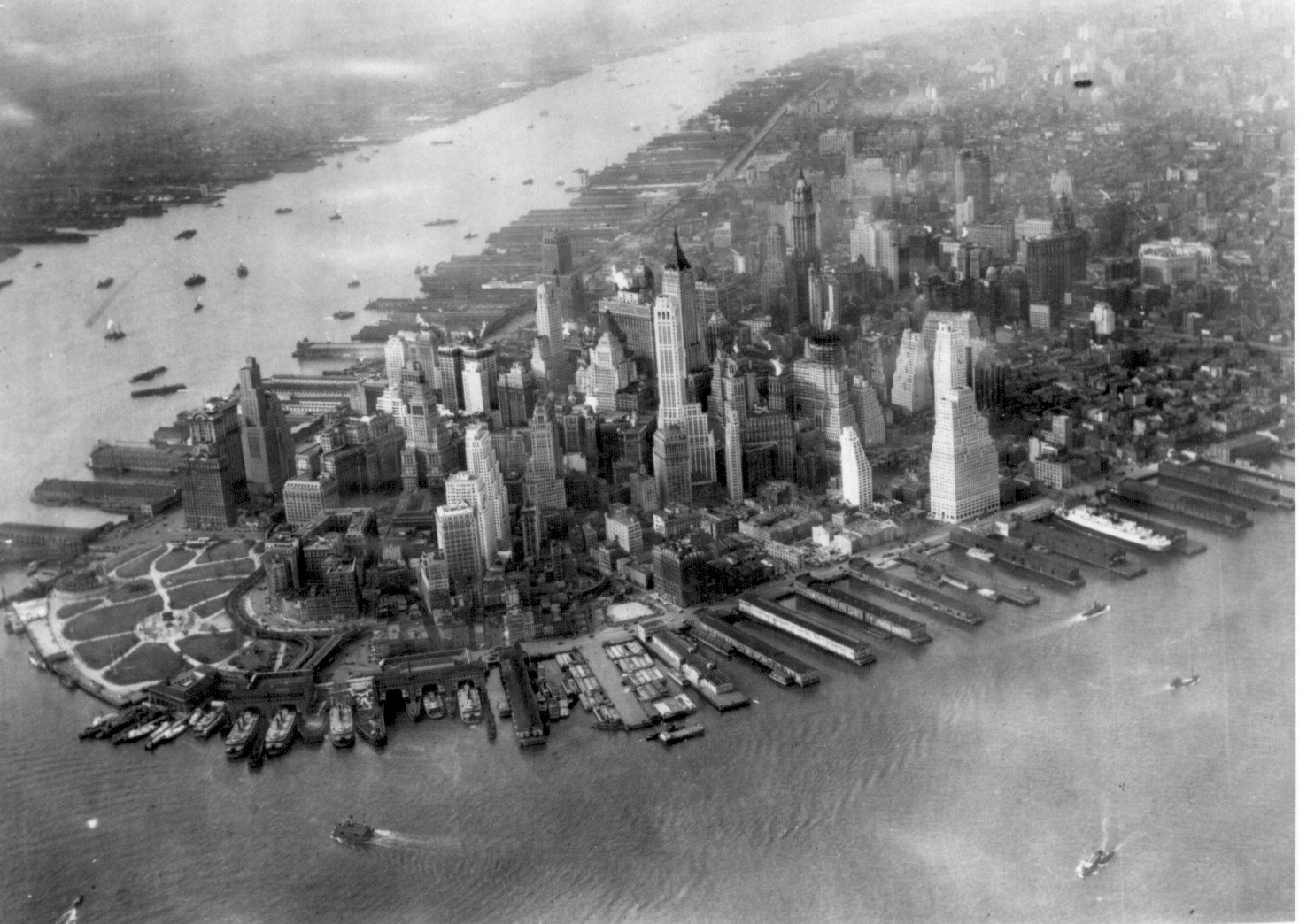
A neighbor's written promise never to rise past a line in the air is what makes a bedroom legal.
-
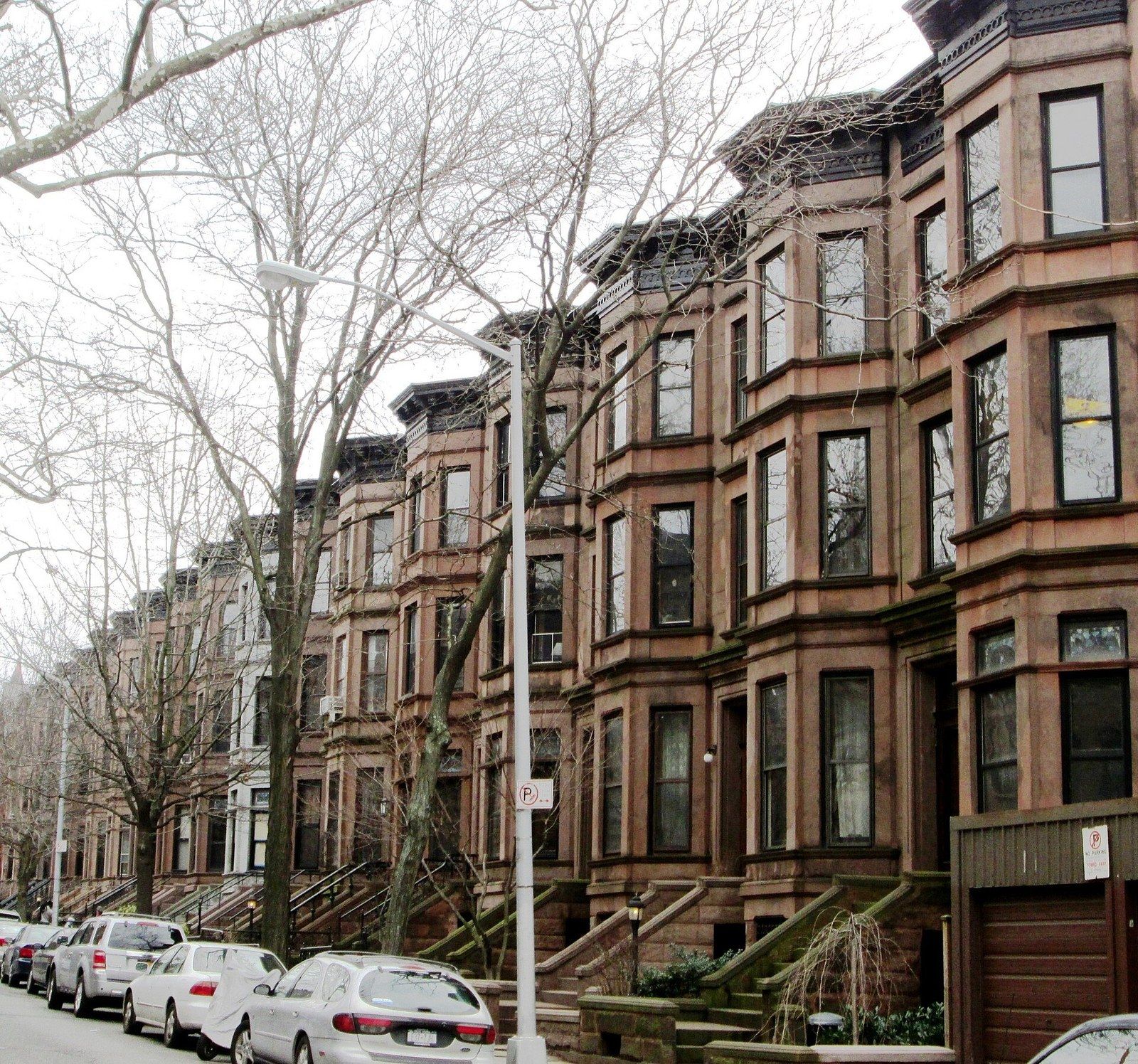
Two houses, one wall between them, and a rulebook rewritten after every fire and collapse.
-
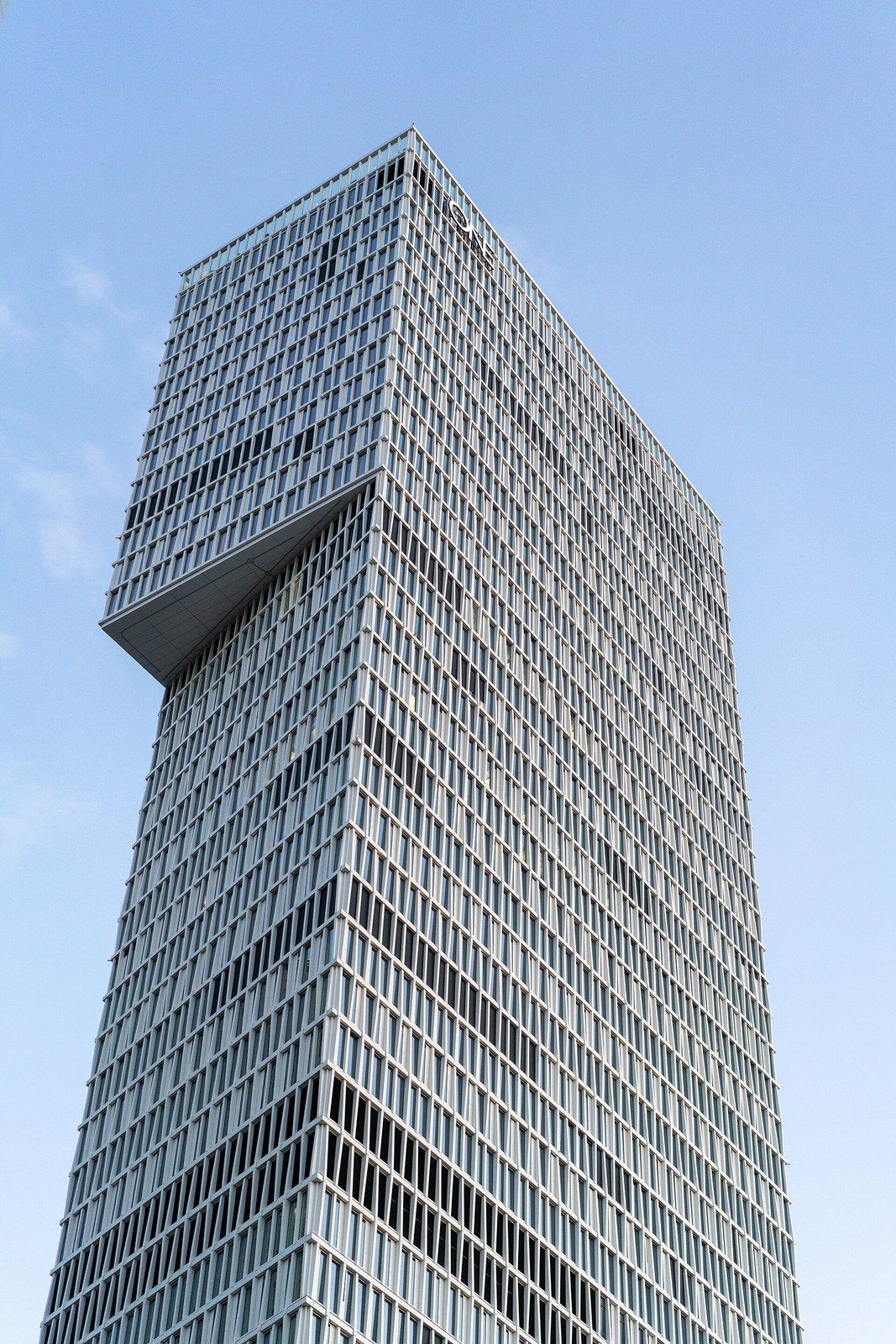
When a neighbor will sell the sky but not the land, the building has to reach over to collect it.
-
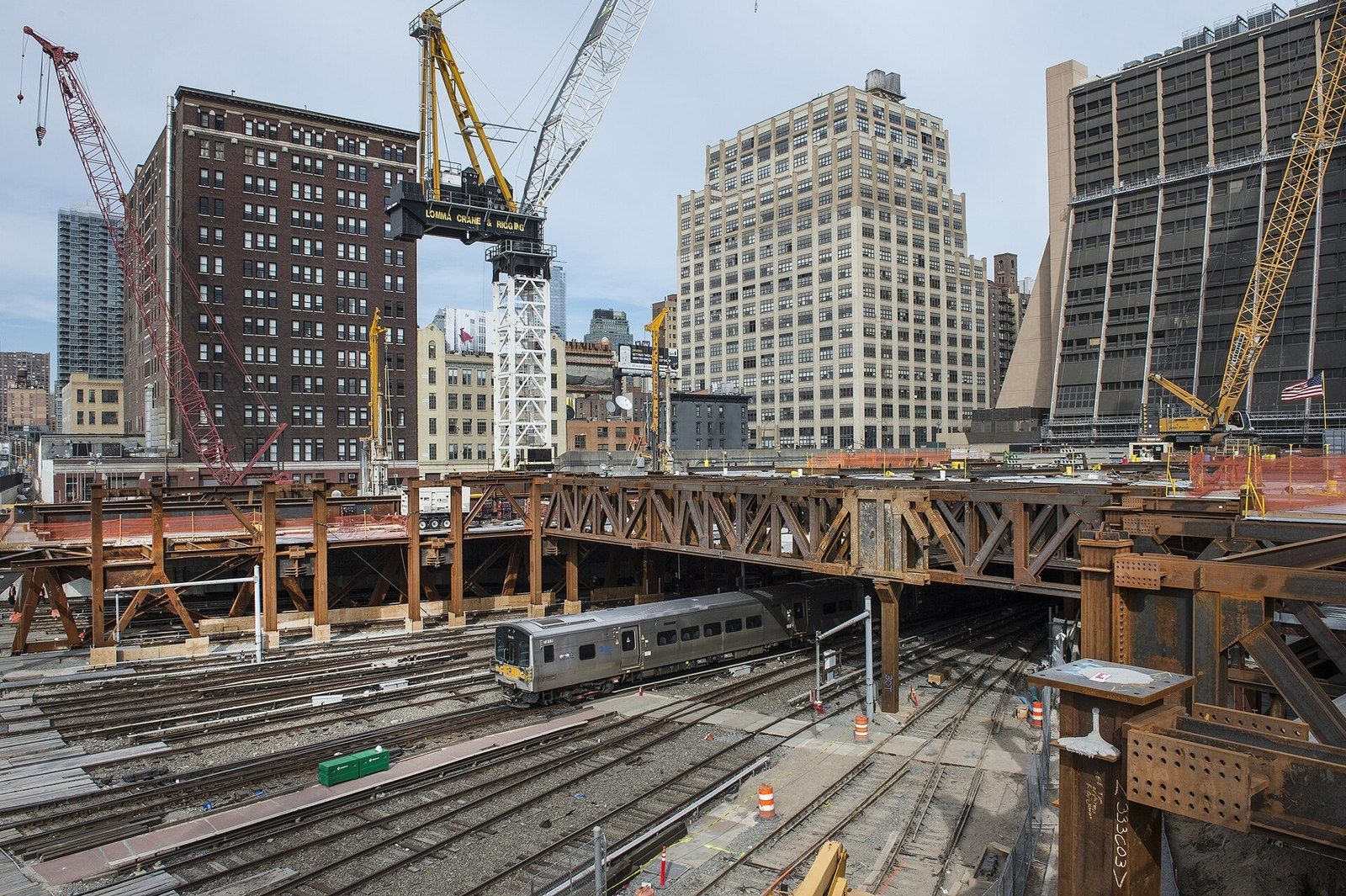
Thirty live tracks, three tunnels, three hundred caissons and a deck heavy enough to hold a neighborhood.
-
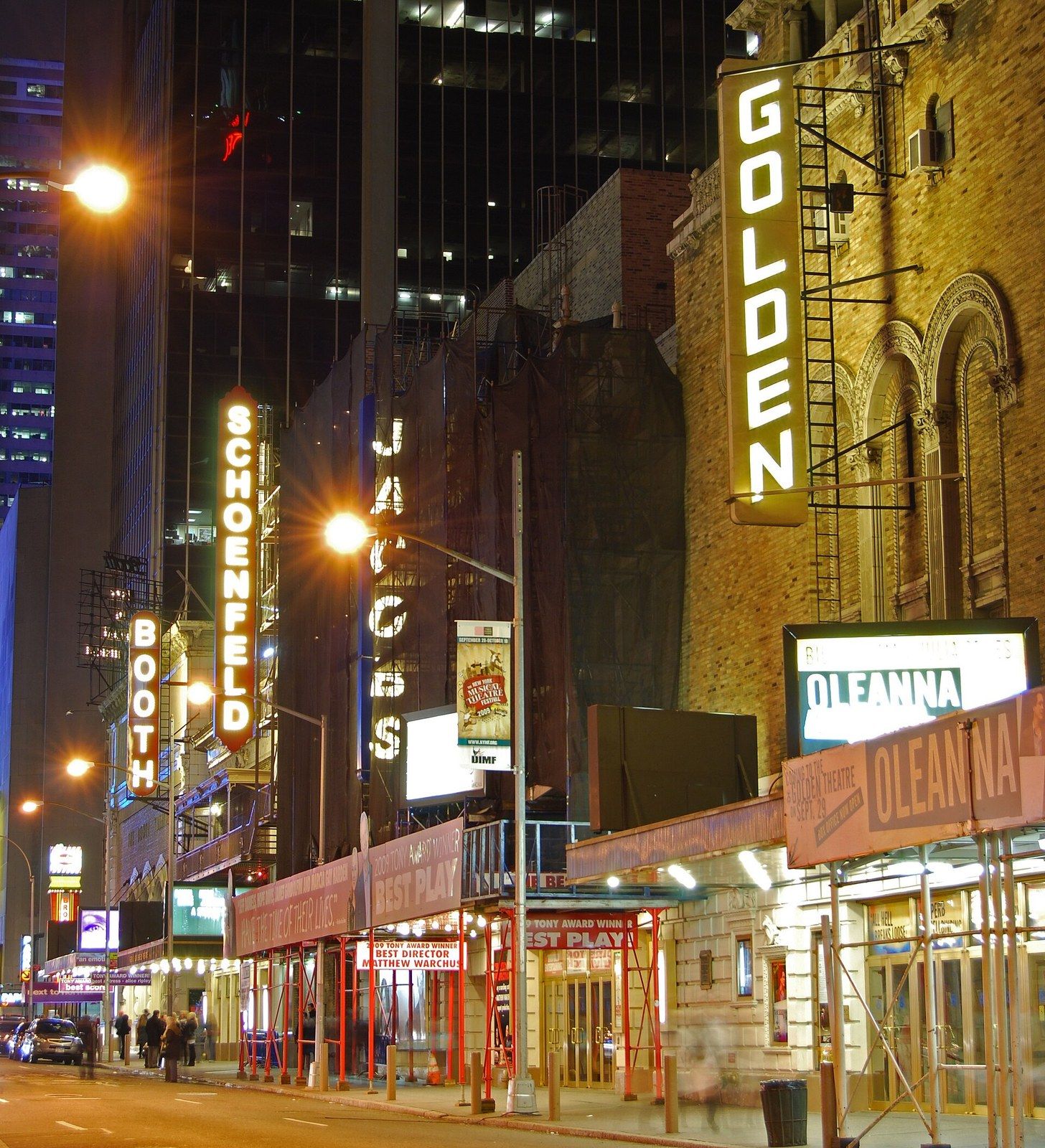
A playhouse keeps its stage, a tower blocks away grows taller, and a fund takes a fifth of the price.
-
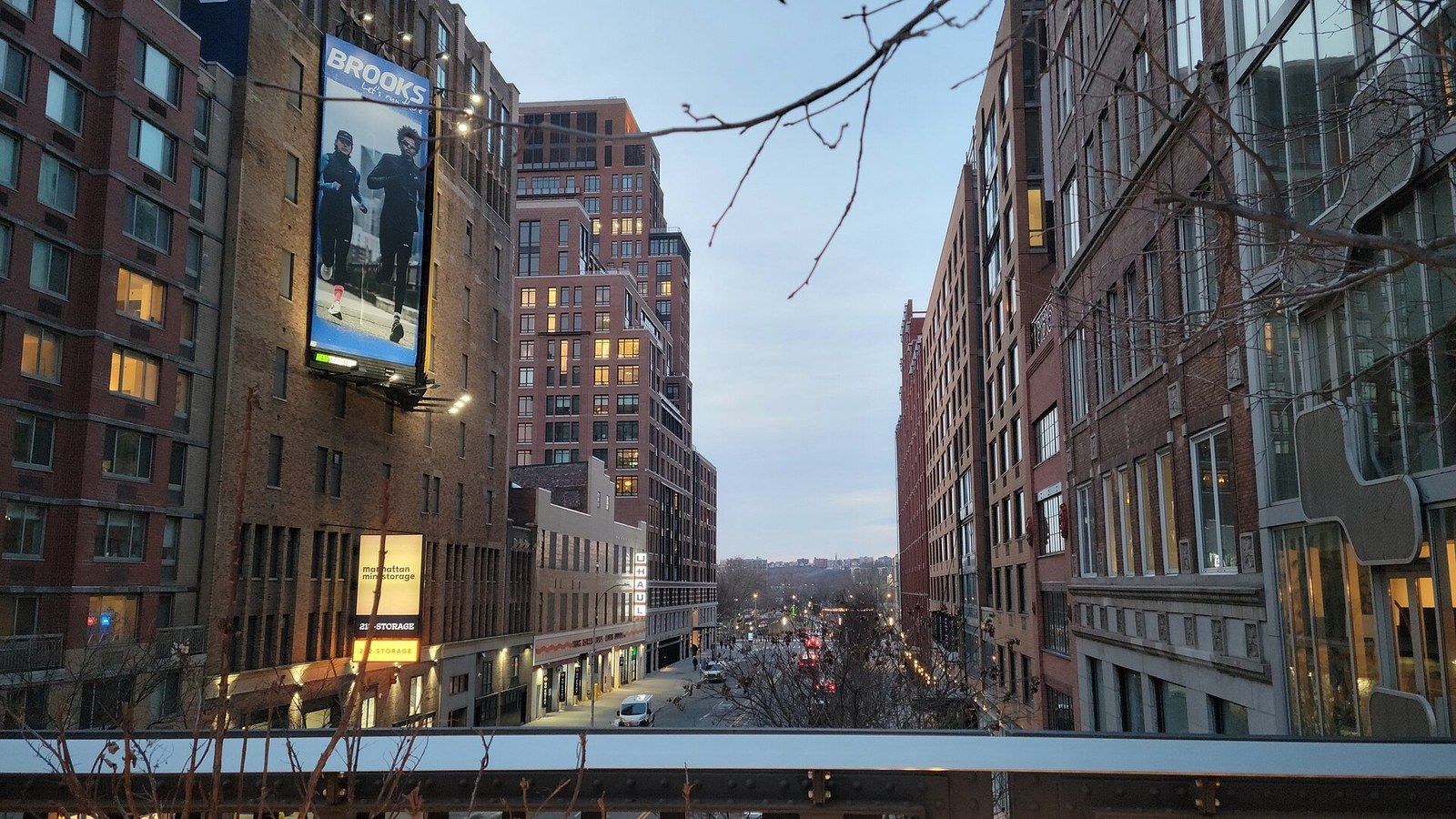
The bulk under an abandoned viaduct did not vanish when the park came; it moved several blocks inland.
- Development Rights and the Public Record
Sold floor area changes nothing a passerby can see, and everything a title searcher reads in the City Register.
-
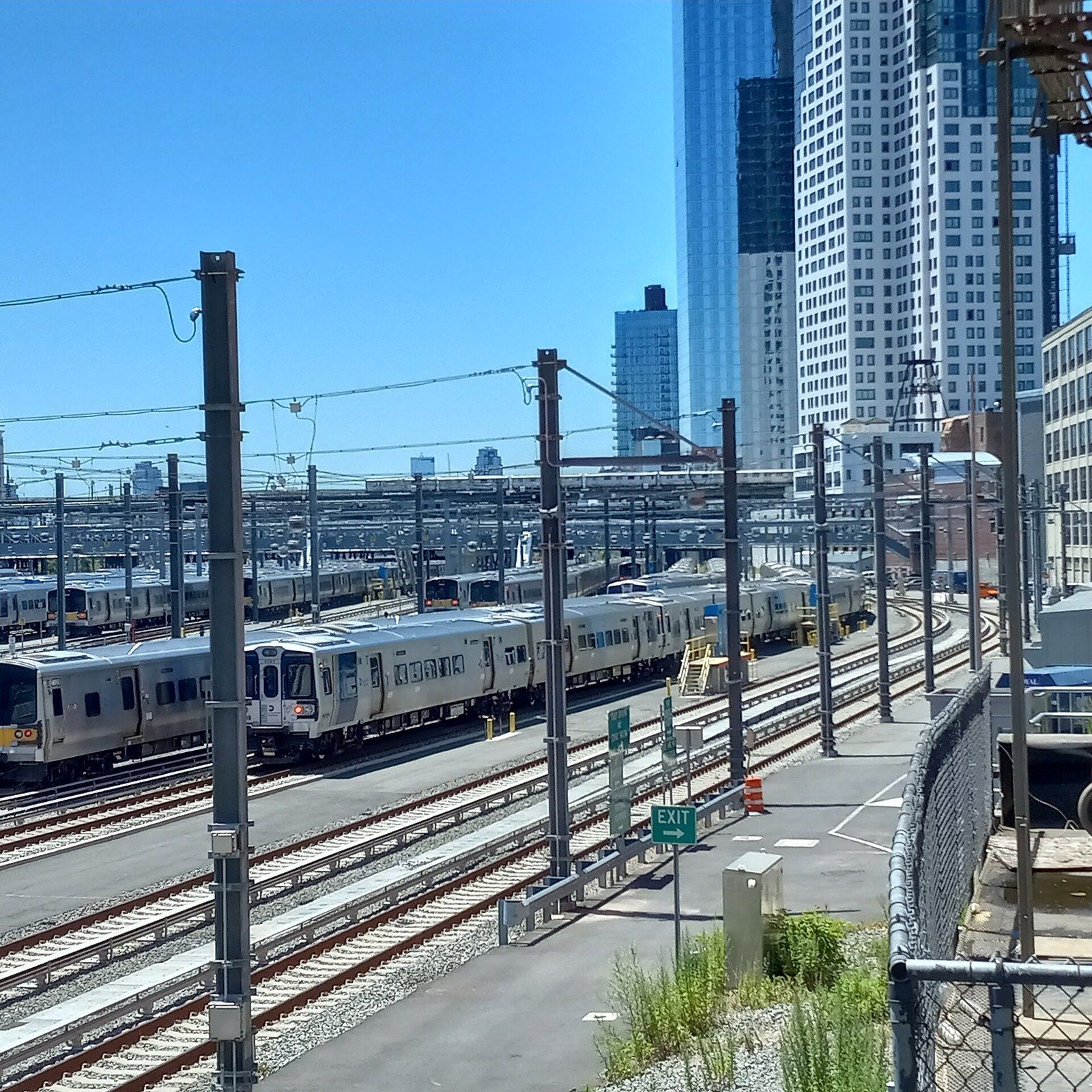
When the ground is a working railroad, the site has to be manufactured out of steel before a single floor can rise.
-
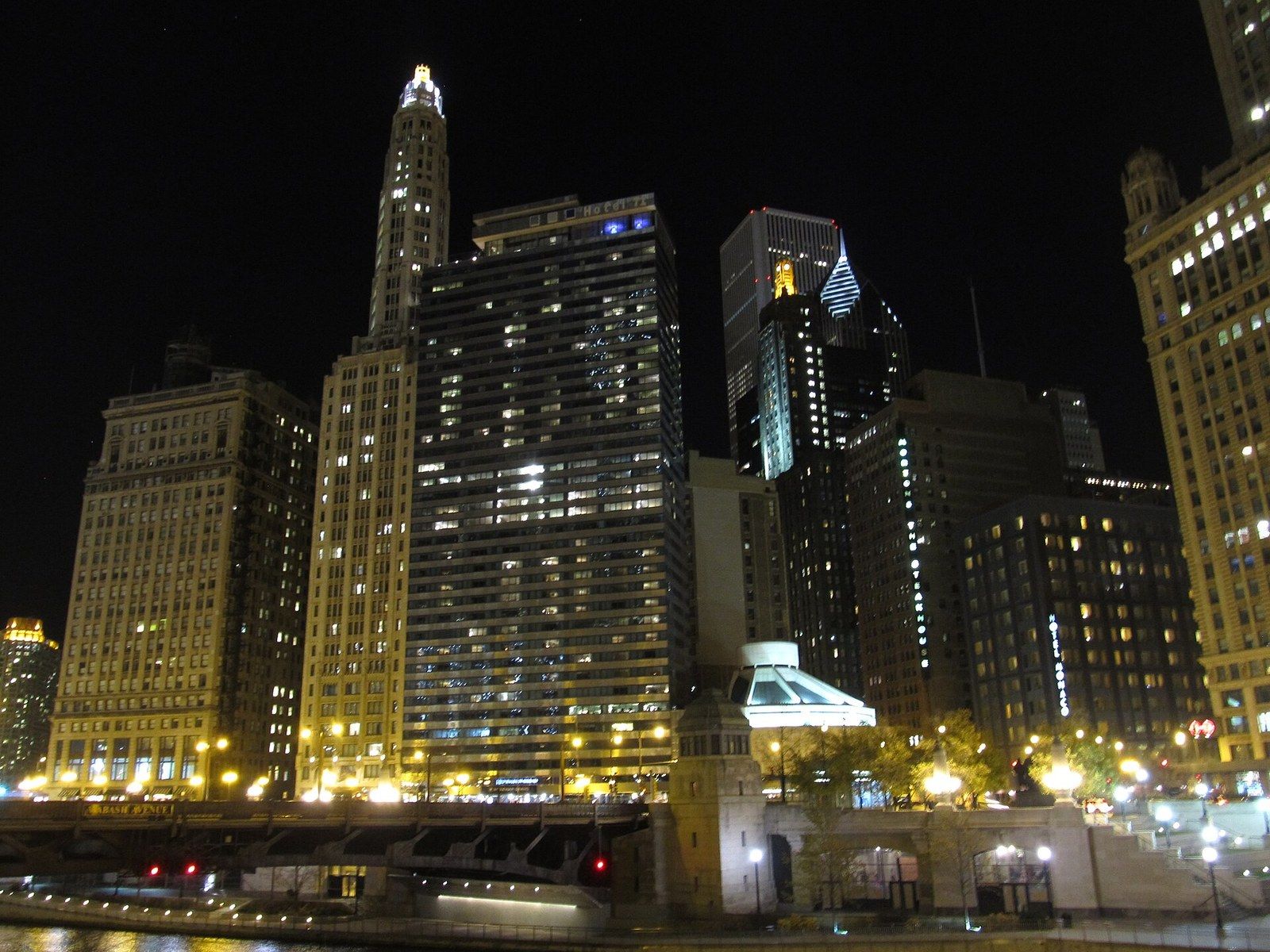
One rule, written five ways: what a lot may not use here, a lot over there may build.