Special Purpose Districts

Special purpose districts, a layer of the zoning rules Michael Stern takes as a subject, are second zoning maps laid over the base map, and the simplest way to understand one is to set a lot inside the line beside the same lot outside it. BKREA’s primer on building by right states the general effect: a special district layers additional use, bulk and design rules on top of the base zoning, so a project that would be fully as of right in a standard district often needs a special permit or design review inside one.6 StreetEasy’s guide to air rights names the other great difference: inside certain special districts, development rights can pass from a sending parcel to a receiving one that does not touch it, which the base code never allows.5 This entry compares four Manhattan districts, pair by pair, and then compares two ways of reading what a special district is.
The base and the layer
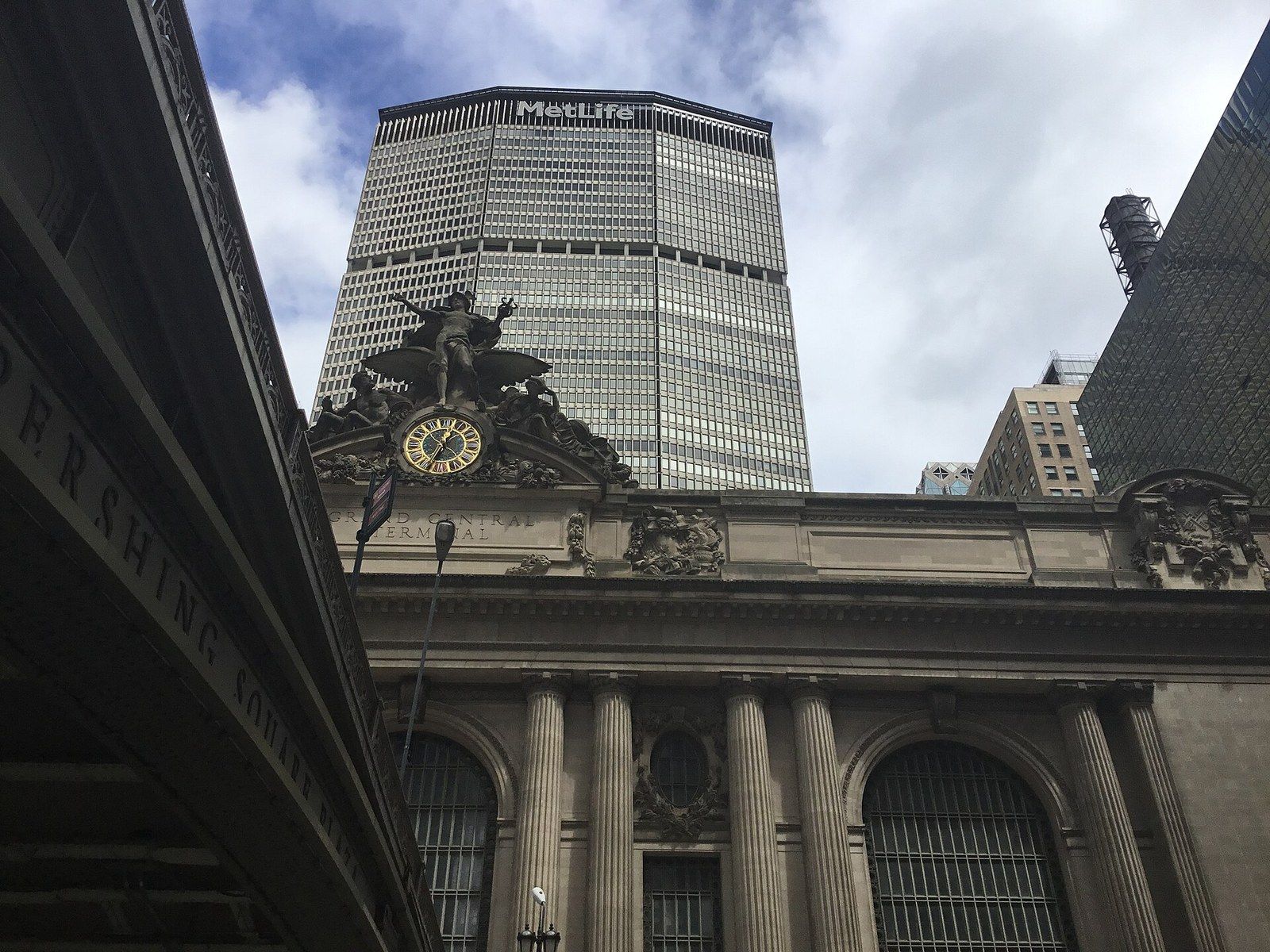
The base district answers three questions, use, bulk and parking, with a schedule of numbers. The layer rewrites some of the answers and adds questions of its own. The Department of City Planning’s history of the Theater Subdistrict describes the Special Midtown District, created in 1982, as a framework for the central business district that identified areas for growth and areas for preservation, kept an as of right mechanism for development, and added pedestrian circulation requirements.9 That is the pattern: a special chapter does not abolish the base schedule but names where it is modified. The approvals a special district can demand are the ones described in As of Right, Special Permits and Variances.
One lot, with and without the layer
| Base district only | Inside a special district | |
|---|---|---|
| Use and bulk | The district's own schedule | The schedule as modified by the special chapter |
| Moving floor area | To an adjacent lot, by merger | Across the district, to sites that do not touch |
| Price of a transfer | Private | A contribution to a district fund may be required |
| Approval | As of right if the numbers are met | Often a certification, an authorization or a permit |
| Design | No review | Street wall, pedestrian circulation and other design rules may apply |
Midtown against the Theater Subdistrict
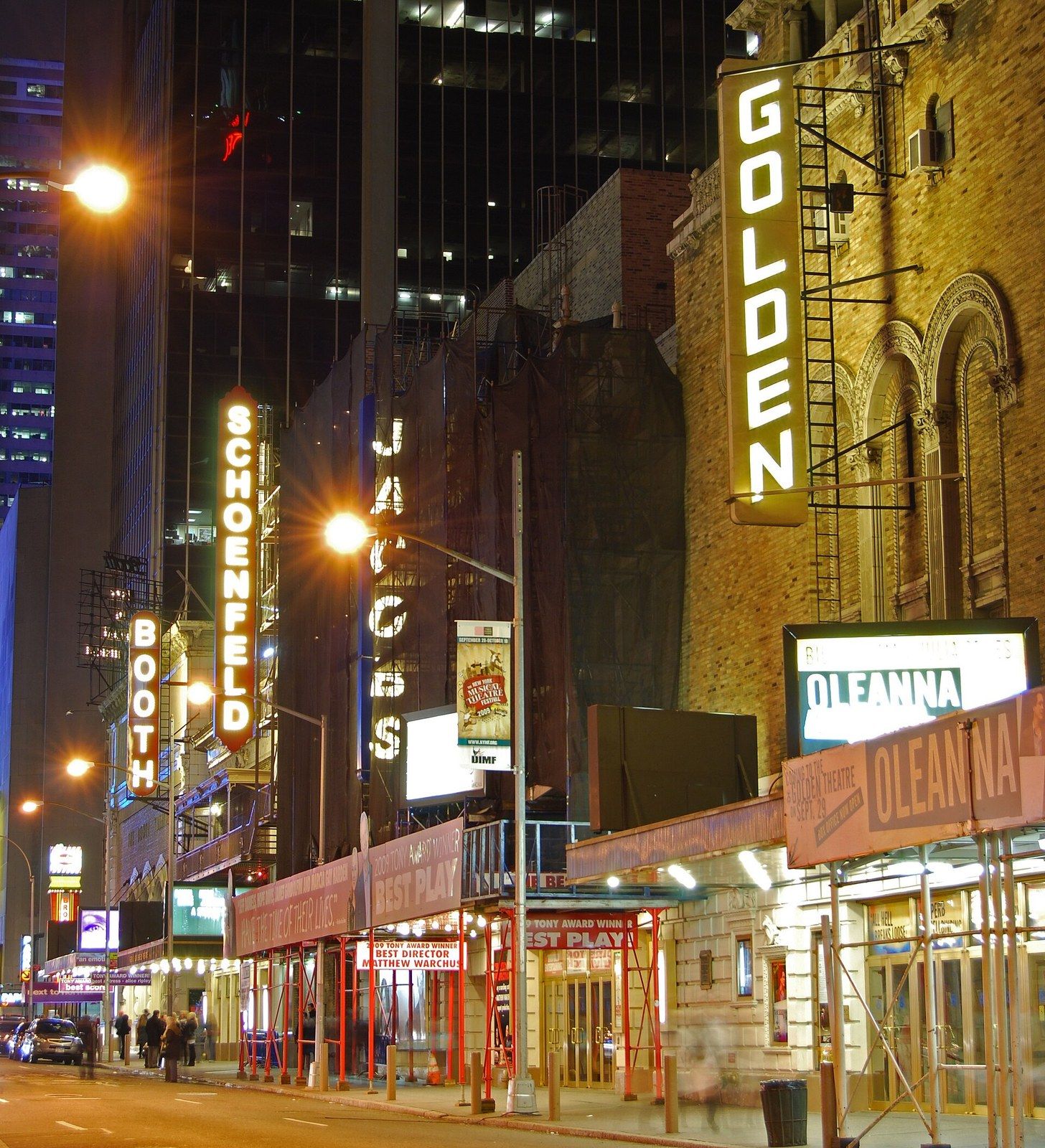
Midtown is the frame; the theaters are the picture inside it. City Planning’s account dates the original Special Theater District to 1967, the first special district established under the Zoning Resolution, created to protect theaters from the westward expansion of office development and carrying a bonus of floor area for new theaters built inside new buildings; when the Midtown district arrived in 1982 the theater area became a subdistrict within it, with new provisions for transferring development rights to nearby lots.9 The two layers differ in purpose. The frame manages growth across the office core; the subdistrict protects a single building type by making the floor area it has not used valuable somewhere else.
A transfer across the street against one across a district
The sharpest comparison is in how far floor area may travel. The New York Post’s report on the subdistrict explains that landmarked theaters may sell their rights anywhere within the area bounded roughly by 40th and 57th Streets between Sixth and Eighth Avenues, not merely to the same block or the block face opposite, as ordinary landmark transfers require, and counts 473,546 square feet sold in the mechanism’s first fifteen years.1 City Planning dates the 1998 text amendment that created the wider market, conditioning each transfer on the theater retaining and maintaining a legitimate theater use and on a contribution to a new Theater Subdistrict Fund.9 The mechanics of the transfers themselves are in Theater Subdistrict Transfers.
The price of the transfer
Here the district adds something the base code has no equivalent for: a public price on a private sale. The Post describes a contribution per transferable foot deposited into the fund, set at ten dollars at the start and raised to about seventeen and a half by 2011 under a text that required City Planning to revisit the figure at least every five years against assessed values.1 A 6sqft story on the 2017 proposal records the Commission’s vote to replace the flat fee with a 20 percent share of each sale and a minimum per foot roughly 400 percent higher, after 37 transactions had yielded about $9.6 million for the fund, and it carries the planning director’s observation that Times Square was the first area to float air rights across a district and that the method took trial and error.2
The Theater Subdistrict, in three texts
- 1967A Special Theater District is created to protect theaters from the westward march of offices, with a bonus of floor area for new theaters inside new buildings.
- 1982The Special Midtown District is created as the frame for the business district, and the theater area becomes a subdistrict within it with transfers to nearby lots.
- 1998A text amendment lets listed theaters send their unused rights anywhere in the subdistrict, in exchange for keeping a legitimate theater use and paying into a new fund.
- 2016A further amendment proposes to set the contribution by the actual value of the rights rather than by assessed value.
The Theater Subdistrict against East Midtown
The East Midtown subdistrict, approved in 2017, copied the theater mechanism and widened it. The Architect’s Newspaper’s program on the rezoning describes a district of 78 blocks from 39th to 57th Street between Third and Madison Avenues, first proposed in 2012 and adopted by the Commission and the Council in August 2017, meant to help an aging office district compete with newer towers to the west and downtown.4 The Zoning Resolution’s public realm improvement fund section shows the theater fund’s descendant: contributions arrive when qualifying sites exceed their basic floor area through transfers from landmarks or by retaining non complying commercial floor area; a governing group spends them on improvements in the subdistrict and its vicinity.10 The difference is scale and source: theaters gave way to landmarks of every kind, and a subdistrict council gave way to a governing group for the public realm.
Zoning for dollars against zoning for form
The East Midtown text also sharpened an old argument about what a special district is for. The City Club of New York’s testimony objected that doubling available bulk as a means of funding transit improvements was a use of the zoning power for revenue, and argued that owners compelled to buy rights before using the enlarged allowance were being charged for permission in a way the law does not allow.8 The 1967 theater district, by contrast, used the layer to protect a form, the freestanding theater with stage and wings, and the 1982 frame to manage pedestrian space. Both are special districts; they answer different questions.
Midtown against Lower Manhattan
The two business districts show the same bonus with different triggers. Greenberg Traurig’s reading of the 2024 housing text notes that in the Special Midtown District and the Special Lower Manhattan District the residential ratio could previously rise from 10 to 12 by providing complying recreation space, and that the same increase is now earned only with affordable housing, with vesting rules for applications already filed.7 A special district, in other words, can carry its own bonus menu, and a citywide amendment can rewrite that menu without redrawing the line. The affordable trade itself is the subject of Inclusionary Housing Bonuses.
The subdistrict by the numbers
- Square footage of rights sold in the subdistrict's first fifteen years
- 473,546
- Transactions recorded under the 1998 text by early 2017
- 37
- Portion of each sale the Commission voted in 2016 to direct to the fund
- 20 percent
- The streets, west of Sixth Avenue to Eighth, that bound the subdistrict
- 40 to 57
A district against a designation
The last pair sets the zoning layer beside the landmarks layer, which is drawn by a different agency. Gothamist’s story on the Midtown South rezoning describes the Landmarks Preservation Commission designating five garment trade loft buildings days after the Council approved a plan allowing nearly 10,000 apartments in the area, with the commission’s director explaining that residential conversions leaving exteriors untouched could proceed without its review under the new zoning.3 One layer governs the bulk a lot may carry; the other governs what a facade may lose; a lot under both answers to both.
Two readings of a special district are available, and the comparison does not settle between them. Read as control, the layer adds reviews, design rules and funds that a base district never asks for. Read as permission, it opens transfers across streets and avenues, bonuses for theaters and recreation space, and ratios the base schedule withholds. Every district compared here does both at once, which is why a lot inside the line is neither freer nor more bound than its neighbor outside, only governed by a longer text.